IBA, as the premier business brokerage firm in the Pacific Northwest, is firmly established as a respected professional service firm in the legal, accounting, banking, mergers & acquisitions, real estate, and financial planning communities. Periodically, we will post guest blogs from professionals with knowledge to share for the good of owners of privately held companies & family owned businesses. The following blog article has been provided by Sue Hudson of Biz Aid Central (https://bizaidcentral.com/):
A Guide to Making Your Small Business Unforgettable at Local Events
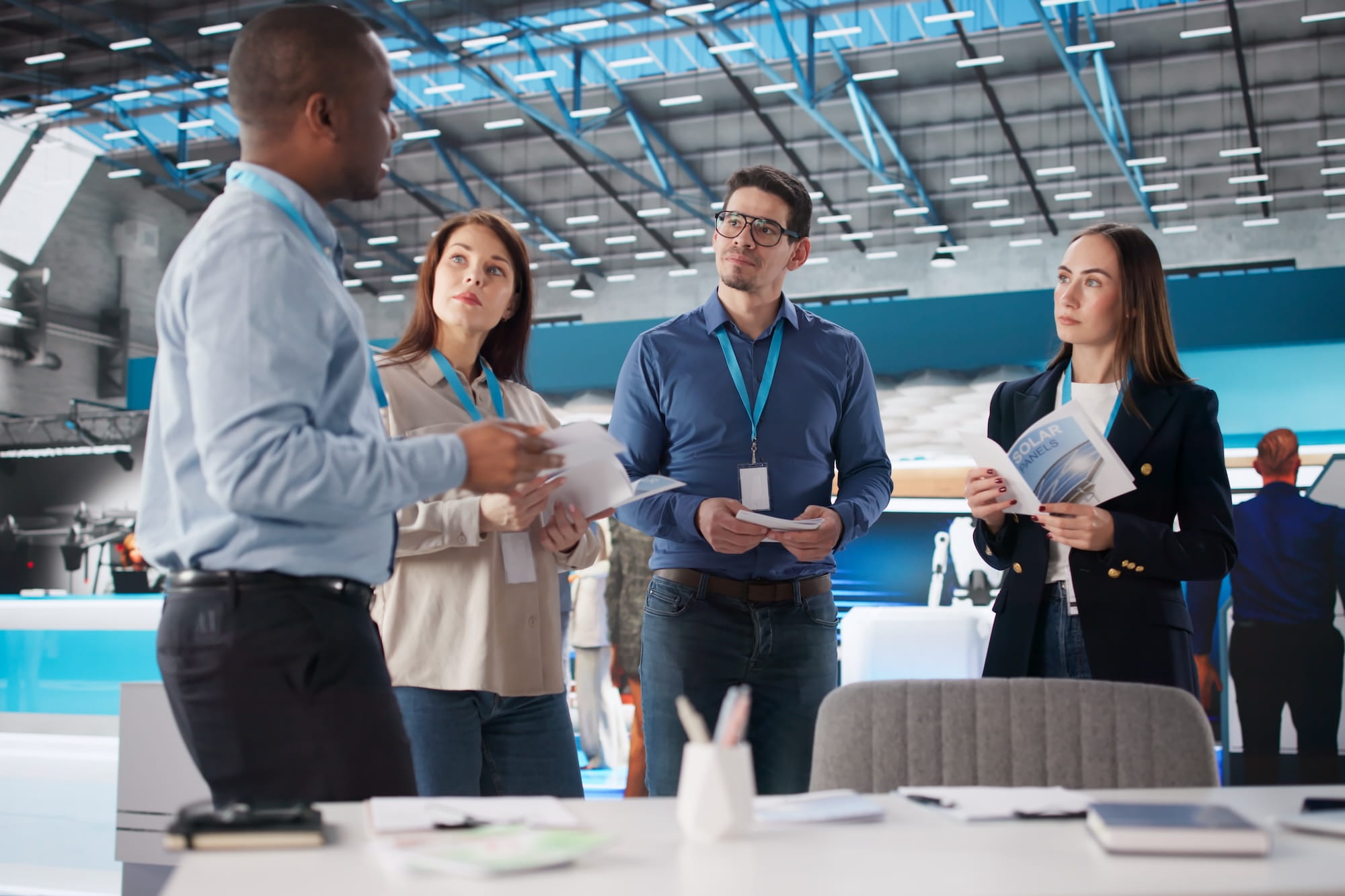
Small business owners doing local event marketing often face the same knotty problem: a packed room where every booth is competing for a few seconds of customer attention. The biggest event branding challenges aren’t about having the loudest display, they’re about showing up with a clear presence that feels like a contribution to the neighborhood. When the message is fuzzy or the approach feels pushy, even great businesses get overlooked and community engagement stalls. A stronger event plan gives business owners a consistent way to be memorable, start real conversations, and leave people with a reason to follow up.
Plan and Run a High-Engagement Event Booth
This process helps you show up with a booth that looks intentional, feels welcoming, and makes it easy for people to remember you afterward. For general readers, it replaces guesswork with a simple routine you can repeat at any neighborhood event.
- Confirm logistics and layout before you print anything
Start by reviewing event logistics so you know the setup schedule, power access, Wi-Fi options, and any size limits for displays. Then sketch a quick booth map: where people enter, where you stand, where products or demos live, and where the sign is easiest to read. - Build one clear message and match your signage to it
Choose one promise you can say in a breath, like what you do and who it helps. Put that exact line on your main sign, then support it with one proof point such as a best-seller, a short testimonial, or a limited-time event offer. Keep small print to a minimum so your sign works from several steps away. - Set up an interactive “try it” moment
Pick a simple activity that takes under a minute, like a sample, a quick quiz, a spin-to-win card, or a hands-on mini demo. It should give people something to do with their hands while you start a conversation, which lowers the pressure and increases dwell time. Use a visible prompt like “Try this in 30 seconds” so people know what to do without asking. - Use a repeatable conversation flow for outreach
Greet, ask one friendly question, then offer one tailored suggestion based on what they say. If the event includes nearby businesses you want to meet, take five minutes to introduce your services to their reps and swap contact info for future referrals. Aim for helpful and specific, not salesy. - Capture follow-up details and send a same-week touchpoint
Decide in advance what you will collect: email, text opt-in, or a simple business card drop with a raffle. Tag each lead with one note like “gift shopper” or “needs quote” so your follow-up is personal. Within a few days, send one message that references what they cared about and offers one next step.
Use Useful Branded Giveaways to Boost Recall After the Event
Once your booth is drawing people in, the next win is giving them a simple takeaway that keeps working after they’ve walked away. Custom merchandise, like branded tote bags, stickers, or koozies, gives visitors something tangible to bring home, so your business stays top of mind long after the event ends. Koozies are especially practical: people actually use them, which creates repeat touchpoints with your logo and message.
Keep the design clean and easy to read at a glance, and focus on a look that matches your vibe so it feels like a thoughtful souvenir, not clutter. To make it easy, work with a custom koozie design and printing service that simplifies the process, offers free design support, and can turn orders around quickly; a ready-to-customize option like a custom koozie can also help you order in flexible quantities without overcommitting.
Add High-Impact Touches People Actually Stop For
Small booths can still feel magnetic when you add one or two “stop-and-try” moments. Use the ideas below like a menu, pick what fits your space, your staff, and the kind of follow-up you want after the event.
- Run a 3-minute live demo on a repeatable schedule: Pick one simple transformation you can show in under three minutes, then repeat it every 15–20 minutes so passersby learn they can catch the “next one.” Put the schedule on a small sign at eye level and have a staffer invite people to return at the next time slot. Live demonstrations work because they create movement, a small crowd, and a clear reason to pause.
- Turn your giveaway into a “use it right now” moment: Instead of handing out branded items silently, build a micro-interaction around them: “Want the drink-holder? Let me fit it to your bottle and show you the strap.” This connects your useful branded giveaway to a quick, memorable experience, and gives you a natural opener to ask one question about their needs. Bonus: keep one “demo version” visible so people can spot what they’re getting from 10 feet away.
- Build a hands-on mini station (touch, try, compare): Create one tabletop activity with clear choices, two scents, two finishes, three sample sizes, a before/after comparison, or a “pick your best fit” quiz card. Give people a simple prompt and a quick win: “Try both, then point to the one you’d actually use.” Interactive customer experiences lower pressure because visitors are doing something, not getting sold to.
- Use social media integration with a single, specific action: Don’t ask for “a follow”, ask for one postable behavior that’s easy on the spot, like a photo at a tiny backdrop, a quick poll, or a caption prompt. Social is worth building into your booth because social media for event promotion is widely used, and your attendees are already trained to share moments. Put the exact instructions on a sign: what to post, what to tag, and what they get.
- Create a collaborative partnership offer that’s truly shared: Pair with a neighbor booth or a nearby business and build one combined perk: “Visit both booths and get a bundled sample” or “Show a receipt from them for a free upgrade with us.” Keep it simple, one sentence, one tracking method (stamp card, sticker, or a code word), and agree on who provides what. Many teams balance growth goals, and revenue growth and brand awareness often rise together when you cross-promote.
- Offer a ‘fast lane’ signup tied to a clear follow-up: Put one clipboard or QR code out front with a headline that answers “why”: early access, a local-only deal, a monthly tip list, or a draw that’s announced within 48 hours. Train staff to say the same 10-second line every time and to confirm what happens next (“You’ll get one message tonight, then you choose if you want more”). This keeps your engagement measurable and makes staffing, cost-per-lead, and ROI conversations much easier to manage.
Local Event Marketing Questions, Answered
Q: How can I market at events on a tight budget?
A: Pick one main goal first, like collecting leads or booking consultations, then spend only on what supports that outcome. A simple rule is to align your budgets with broader business goals so your money is not scattered across “nice-to-haves.” Start with one attention getter and one signup method, then upgrade only after you see results.
Q: How do I train staff for fast, friendly interactions?
A: Give everyone a 10-second opener, one qualifying question, and a clear next step to offer. Practice three common scenarios out loud: a hurried visitor, a curious browser, and someone ready to buy. Use a simple handoff cue so teammates can trade roles without awkwardness.
Q: What should I track to measure event ROI?
A: Count leads captured, sales made, and appointments booked, then note your total event cost to calculate cost per lead and cost per booking. Add one quality metric, like how many leads match your ideal customer. Review results within 48 hours while details are fresh.
Q: When should I follow up after the event, and what do I say?
A: Send one short message the same day or the next morning while you are still memorable. Reference the specific thing they tried or asked about, then offer a single option: a link, a time to talk, or a small local-only perk. Keep it conversational and easy to reply to.
Q: Can I keep my event plan organized without fancy software?
A: Yes. An event marketing checklist can organize and track tasks like signage, staffing, supplies, and follow-up steps in one place. Put owners next to each task and add deadlines, even if it is just a shared document.
Turning Local Event Visibility into Repeat Customers and Steady Growth
Local events can feel like a burst of attention that fades the moment the booths pack up, especially when quick chats don’t turn into follow-ups. The reliable path is a simple mindset: show up with a clear goal, build real customer relationship building in every interaction, and measure what happened so the next event is smarter. When that approach becomes a habit, event booths stop being one-off marketing and start fueling long-term brand awareness and business growth from events. Event success comes from consistent follow-up, not a perfect booth. Choose one improvement to test at the next fair, whether it’s sharper messaging, tighter lead capture, or a smoother handoff to follow-up, and keep it for the next round if it works. That steady cycle turns motivational marketing insights into a more resilient business built on connection.
If you have questions relating to the content of this article, Sue Hudson of Biz Aid Central would welcome the opportunity to answer them. Ms. Hudson can be reached at [email protected].
IBA, the Pacific Northwest’s premier business brokerage firm since 1975, is available as an information resource to the media, business brokerage, mergers & acquisitions, and real estate communities on subjects relevant to the purchase & sale of privately held companies and family owned businesses. IBA is recognized as one of the best business brokerage firms in the nation based on its long track record of successfully negotiating “win-win” business sale transactions in environments of full disclosure employing “best practices”.